
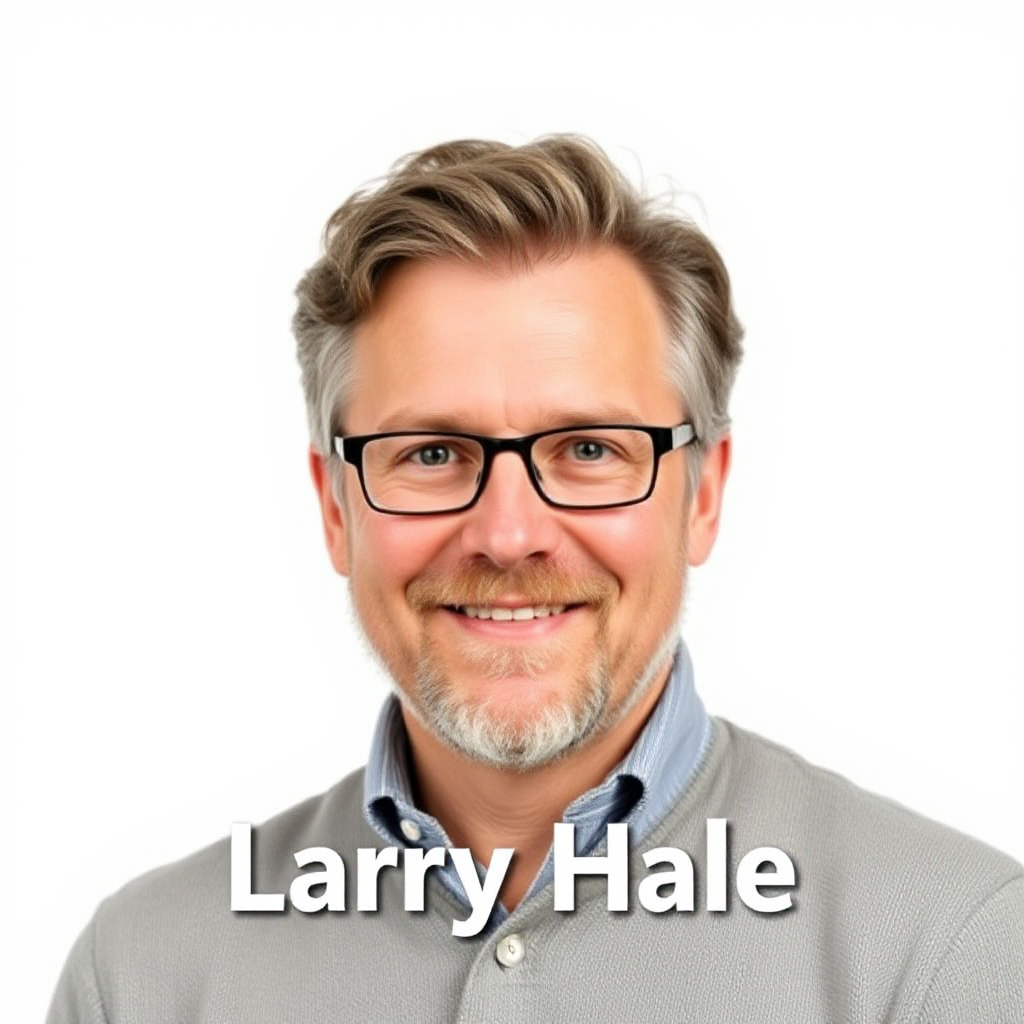

Previous Google executive Matt Brittin has been appointed as the British Broadcasting Corporation's next leader.
The former president of Google's EMEA division will succeed Tim Davie, who revealed his resignation in November after a controversy over how a Panorama presented a speech by former President Trump.
The BBC's chairman Samir Shah that Brittin, who departed from Google in 2025 after a long tenure, "offers the BBC extensive knowledge of managing a high-profile and sophisticated organisation through transformation".
Brittin, 57 said he "can't wait to commence this work", labeling it "a time of real challenge, yet also real possibility".
He stated that the UK needs "a robust BBC that serves all in a complex, volatile and quickly shifting world".
Outlining his agenda, he continued: "The corporation must have the speed and drive to be simultaneously covering events, and where audiences are. To strengthen the audience, reputation and production quality now, address challenges with courage, and succeed as a public service ready for the years ahead."
'Major Change'
The chairman described Brittin "an outstanding manager" with "the skills required to guide the broadcaster through the many developments happening in the media market and in audience preferences".
The chairman also highlighted Brittin's "enthusiasm for the BBC, his comprehension of the problems ahead of the organisation, his dedication to its autonomy and his drive to uphold the BBC's status as one of the country's most important cultural treasures".
The new chief steps in at "a crucial moment", as the government assesses the BBC's constitutional framework, Shah added.
"Undoubtedly there is a necessity for radical reform of the BBC, its funding model and the system in which it works. The stakes for the BBC, and the prospects of public service broadcasting, have never been higher."

The corporation's top job is seen to be one of the most challenging in British media.
During Davie's tenure as the broadcaster's 17th director general, he was tasked with managing a succession of scandals and crises at the corporation.
His key tasks will encompass handling a multi-billion dollar libel claim brought by the US president against the BBC.
Trump is challenging the way the programme edited together two segments of a speech he gave on a key date, for which the BBC has apologised.
Recently the organisation petitioned a judge to reject the lawsuit, stating the controversial programme did not transmit in the United States.
BBC at a Critical Juncture
The incoming chief steps into the role at a crucial moment for the BBC in several areas, too.
He will proceed with negotiations with the government on the broadcaster's charter and the future of the licence fee and corporation financing.
The existing agreement, which outlines the terms and purposes of the BBC's existence, will come to an end in 2027.
His selection also occurs at a time when the BBC is battling with large technology firms in the streaming landscape.
Google's corporate entity owns YouTube, with which the BBC has revealed a landmark deal to create bespoke material.
Big Tech History a Advantage?
Several figures at Google "speak highly" about Brittin, as an inspirational manager and a great collaborator".
A number of observers have questioned the BBC's choice of someone with a career history in the corporate world rather than editorial or conventional editorial knowledge.
However, it is understood that "the board selected him by the BBC Board for his insider knowledge of major tech firms. There's an anticipation he will accelerate the shift to online, for example in journalism. He'll also probably prioritise transforming and innovating BBC iPlayer."
Former BBC Newsnight editor a former colleague, who worked with Brittin at Google, commented he is "highly motivated by a sense of public service".
"He is passionate about the BBC for its trusted news and its creative output, but he's also very conscious of its past as a technical leader.
"He wants the BBC to thrive in a climate where a lot of its greatest challenges are related to digital innovation, whether that's the power of the digital platforms, online disinformation, or merely how people want to access media.
"Given his background and relationships throughout the digital world, and also the connections he's forged with TV networks, the journalism sector, regulators and politicians, I think he's very well placed to meet the challenges."
Who is Matt Brittin?

Born in Walton-on-Thames, Surrey, Brittin received a degree from the Cambridge, while also competing in rowing for them in the university boat race multiple times.
He also rowed for Great Britain and won|secured|earned


